The leather design is not just about the material itself; however, it is also about the details that bring it to life. Moreover, among the most impactful techniques used in leather crafting are embossing and debossing. These two methods may look similar at first, but they create completely different, totally different visual and tactile effects. As you understand the key difference between these two techniques, it can help you make better choices. Whether you are buying a product or designing a brand.
As we progress ahead in this guide on Emboss Vs Deboss Leather, we will break down how both of these methods work and what makes them unique. Additionally, we will also cover where they are commonly used on the surface. Embossing creates a raised design that stands out boldly, while debossing presses the design into the surface for a more subtle and refined look. Both techniques offer their own appeal and purpose depending on their style and finish you want to secure. So let’s take our discussion ahead so you can know the difference between embossed vs debossed and when to choose them.
How Embossing Works on Leather
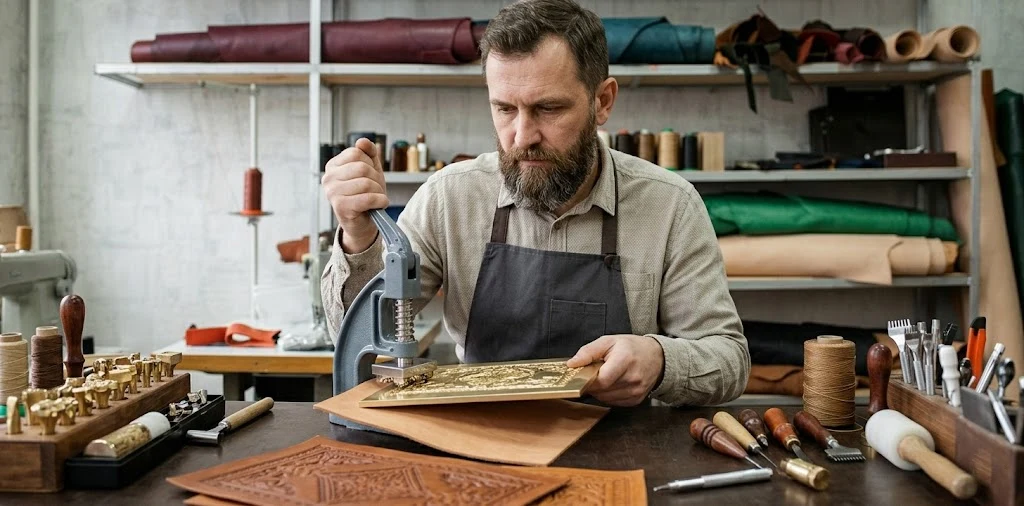
Embossing works by pressing a specially designed mold, known as a die, onto the leather surface using heat and pressure. When heat is applied, the leather becomes slightly soft and flexible, allowing it to take the shape of the die. The pressure then pushes the design into the material, raising the selected areas above the surface. Once the leather cools down, it retains this new shape, permanently holding the embossed pattern. This process works best on genuine and full-grain leather, as they have the strength and flexibility needed to maintain the raised design over time
Tools and Techniques Used in Embossing
This process requires certain specific tools and methods to achieve clean and consistent results. Furthermore, the most important tool is the metal die or stamp, which contains the design to be imprinted. The heat presses or embossing machines are commonly used to apply even pressure and temperature across the leather. In smaller or handcrafted projects, manual tools like hand stamps and mallets may also be used. Additionally, techniques can vary depending on the desired embossing. Some use foil to add color and shine, while others focus purely on texture for a more natural look. Skilled craftsmanship is essential to ensure the design is sharp, aligned, and long-lasting. Surface finishing methods also affect how leather textures appear and age over time. Learn how leather burnishing enhances leather edges and overall finish quality.
What Is Debossing?
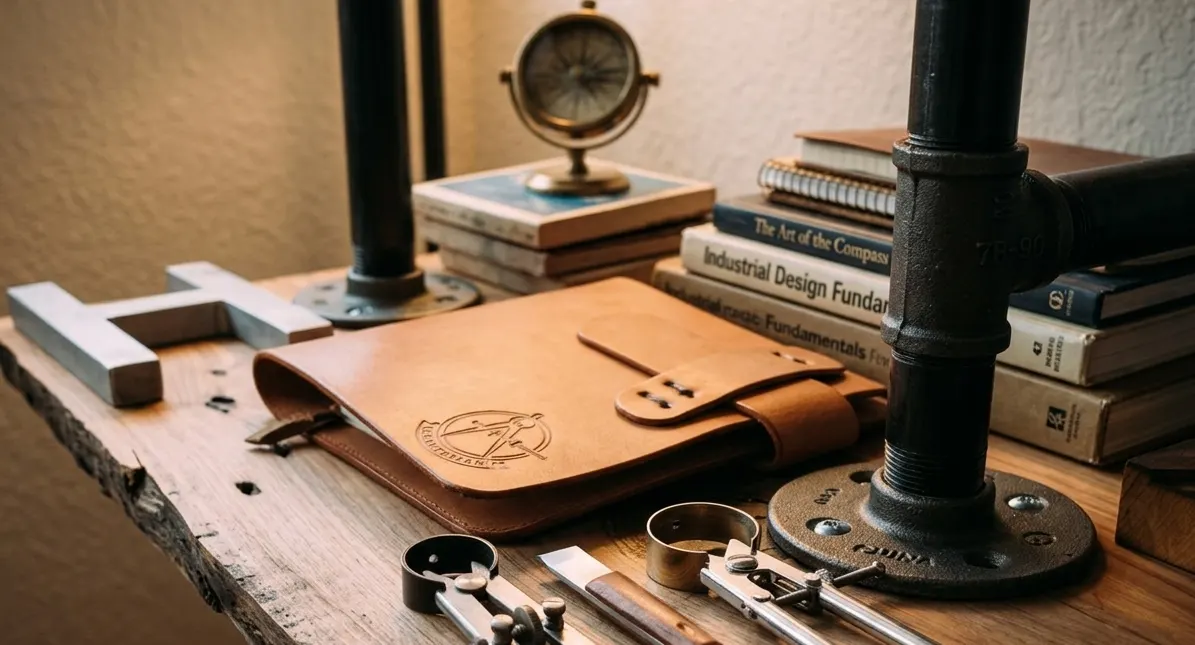
Debossing is a leather finishing technique that is used to create a pressed-in or indented design on the surface of leather. It is not like embossing, which raises the design. However, debossing pushes the pattern into the material, giving it a subtle and engraved appearance. This method is often used for logos, monograms, and other designs because it creates a clean and elegant finish without adding extra texture. Furthermore, this process involves applying heat and pressure to imprint a design into the leather, making it a permanent part of the surface. The debossing process is widely appreciated in premium leather goods for its understated and sophisticated look.
How Debossing Works on Leather
Debossing works by pressing metal die leather or a stamp into the leather surface using controlled pressure. When the pressure is applied on the full grain leather deboss the fiber compresses and forms an indentation that mirrors the design of the die. In some scenarios mild heat is also used to help the leather hold the impression more clearly. Once the pressure is released, the design remains carved into the surface, creating a recessed effect.
Tools and Techniques Used in Debossing uses specialized tools such as engraved metal dies, pressing machines, & heat presses to achieve precise results on Deboss Leather. The metal die contains the reversed design, which is transferred onto the leather through pressure. Industrial machines are often used for consistent, high-volume production, whereas hand tools like stamps and presses are used for smaller or custom projects. Theleather texture technique might vary; it depends on a clean, long-lasting impression.
Emboss vs Deboss — Side-by-Side Comparison
Features
Emboss
Deboss
Basic Meaning
Creates a raised design on leather
Creates an indented (pressed-in) design
Appearance
Bold, elevated, 3D effect
Subtle, engraved, recessed effect
Touch Feel
Raised texture you can feel on top
Sunken texture felt inward
Process
Uses heat and pressure to lift design
Uses heat and pressure to press design in
Visual Style
Eye-catching and prominent
Minimal, elegant, understated
Common Use
Logos, patterns, fashion branding
Monograms, luxury branding, labels
Leather Suitability
Works well on most genuine leathers
Best on firm, high-quality leather
Overall Impression
Strong and decorative
Clean and sophisticated
Which Leather Types Work Best?
Selecting the right leather type is essential when working with embossing and debossing techniques because not all leathers respond the same way to heat, added pressure, and stamping. Moreover, the quality, thickness, and natural structure of leather directly affect how clearly a design is formed and how long it lasts. Additionally, some leathers hold the impressions sharply and permanently, while others may fade away or fail. It is important to understand what Types Of Leatherwork best and help to ensure a clean, professional finish.
Why Leather Type Matters for Embossing and Debossing
Leather types matter greatly because each kind has a different fiber structure and level of flexibility. Let it be softer; heavily processed leather often struggles to hold detailed impressions, causing designs to appear weak or uneven. However, in contrast, stronger and more natural leathers respond better to pressure, allowing designs to form clearly and remain intact over time. The ability of leather to absorb and retain shape is what determines whether embossing or debossing will look sharp or fade quickly. It is the reason why choosing the right leather is just as important as choosing the design.
Best Leather Types for Clear and Long-Lasting Results
The best leather types for embossing and debossing are full-grain leather, top-grain leather, and vegetable-tanned leather. The full-grain leather is the strongest and most natural, making it ideal for deep, long-lasting impressions. If you want to see full-grain leather in action, explore our Men’s Leather Jackets collection crafted from premium hides. Moreover, top-grain leather also works well because it is smooth and durable, offering a clean finish for detailed designs. These leather types ensure that both embossed and debossed designs remain sharp, elegant, and durable over time.
High-quality full-grain leather also develops a rich natural character with age. See how leather patina forms over time and why it is valued in premium leather goods.
Which Technique Is Right for Your Brand?
Selecting between embossing and debossing depends on the kind of image and experience your brand wants to create. Both techniques add value to the leather good; however, they communicate different styles. Beyond that, embossing is more eye-catching and decorative, while debossing feels subtle and refined. Knowledge about brand identity will help you decide which methods fit your products best and connect better with the audience.
When to Use Embossing for a Bold Brand Look
Embossing is the right choice when your brand wants to stand out with a strong and noticeable design. The raised effect naturally attracts attention, making it perfect for logos, fashion pieces, and products meant to feel expressive or trendy. This surely works best for brands that focus on creativity.
When Debossing Works Better for a Premium Minimal Style
On the other hand, debossing is ideal for brands that prefer a clean and elegant luxury look. Moreover, the pressed-in design is subtle, making it perfect for high-end leather goods like wallets and belts. In addition, it gives a more understated feel that communicates sophistication, making it a strong choice for minimalist and premium branding.
Common Use Cases
Embossing and debossing are widely used in leather products to improve both style and branding. These techniques are commonly seen on jackets, wallets, bags, belts, and even small accessories like keychains. They help turn simple leather items into more stylish and premium-looking products by adding texture, patterns, or logos.
How Embossing and Debossing Enhance Fashion Accessories
Embossing and debossing play an important role in making fashion accessories look more attractive and detailed. Embossing creates a raised effect that feels bold and noticeable, making designs stand out clearly. Debossing, on the other hand, presses the design into the leather, giving it a smooth, subtle, and elegant look. Both techniques help brands add identity and style to their products without using extra materials or colors.
Where Each Technique Works Best in Everyday Leather Products
Embossing works best on items where a strong and eye-catching design is needed, such as leather bomber jackets, handbags, and fashion pieces meant to stand out. In fact, if you’re wondering how to style these embossed pieces, our guide on how to style a leather bomber jacket covers exactly that. It is often used when brands want their logo or pattern to be clearly visible. Debossing is better suited for everyday items like wallets, belts, and formal accessories where a clean and minimal look is preferred. It gives these products a refined and professional finish that feels simple yet premium.
Blind Emboss vs Blind Deboss
Blind deboss works in the opposite way by pressing the design into the leather surface, creating a sunken or indented effect. It does not use any ink or color, so the design appears purely through depth and shadow. This technique gives a soft, minimal, and refined look, making it ideal for luxury items where understated branding is preferred.
Not all leather works well for embossing, as softer and genuine leather types respond better. Very thin or heavily treated leather may not hold the design properly.
Both embossing and debossing are used on leather depending on the desired look. Embossing gives a raised effect, while debossing offers a more subtle, pressed-in finish.v
Debossing can sometimes be slightly cheaper because it may require less pressure and simpler tooling. However, the cost difference is usually small and depends on the material and design.
About Author:
Caleb Norton is an experienced leather industry writer with over five years of expertise in product care, durability, and modern style guidance.

















 TRACK YOUR ORDER


