What Is Leather Burnishing? Techniques, Tools, and Methods Explained
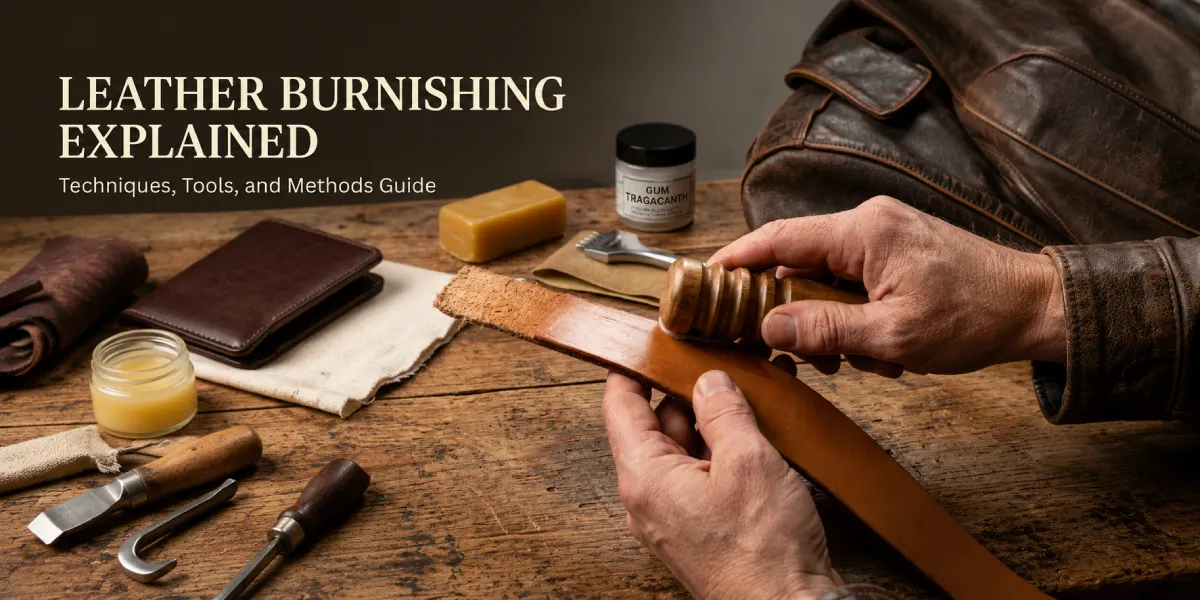
Whenever you buy any leather product, you must have noted that it appears attractive and high quality. Moreover, they have smooth edges and neat finishing. This process is known as leather burnishing. However, the question might arise: What Is Leather Burnishing? It is a popular technique used in leather crafting to polish and seal rough leather edges. Let it be a wallet, belt, or even a leather jacket. Burnishing helps in improving both the appearance and durability of the product. Additionally, it gives leather a clean and professional finish while also protecting the edges from damage. Since you know the leather burnishing meaning, let’s understand the tools used. The common tools used are friction and special compounds like beeswax or gum tragacanth.
There are different methods for burnishing Leather. However, it depends on the type of leather and the finish you want to achieve. Having the knowledge of burnishing techniques can make a big difference in the end look. As we progress, this blog will be A Basic Guide to Burnishing. You will get to know what leather burnishing is and the equipment used for it.
What Is Leather Burnishing?
The first thing to address is Why Burnish Leather, it is done to make the edges of your leather product smooth and polished. Burnishing helps seal the rough edges, which are often uneven and feel rough. This is done by using friction, pressure, and sometimes burnishing Leather with water. This process gives leather a cleaner and more professional appearance. It is commonly used on leather jackets, wallets, and bags to improve both style and durability.
How Leather Burnishing Works
Since we know What is leather burnishing used for now, let’s look into how this really works. Leather burnishing works by pressing and rubbing the leather fibers together until they become smooth and compact. Furthermore, first the leather edges are trimmed and sanded to remove rough spots. Then a small amount of water, wax, or burnishing agent is applied to the edges. Likewise, after that, tools like a wooden burnisher and canvas cloth are used to create friction.
This friction generates heat, which helps flatten and seal the leather fibers for a polished finish. At this point you will be clear about How To Burnish Leather Edges and how they can look smooth.
Benefits of Burnishing Leather Edges
There are certain benefits to leather burnishing. This process improves the overall appearance of leather products by giving them a neat and finished look. Moreover, the smooth edges also feel softer and more comfortable to touch. Additionally, burnishing also helps protect leather edges from cracking, fraying, and wear over time. This process increases the durability of leather goods and adds a premium, high-quality finish that many leather lovers appreciate.
Why Is Leather Burnishing Important for Jacket Quality?
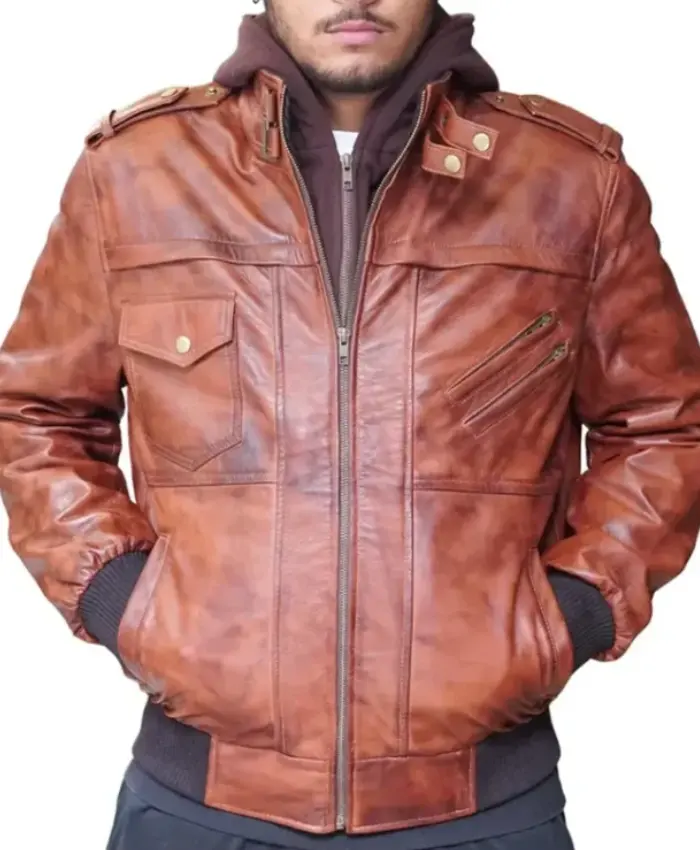
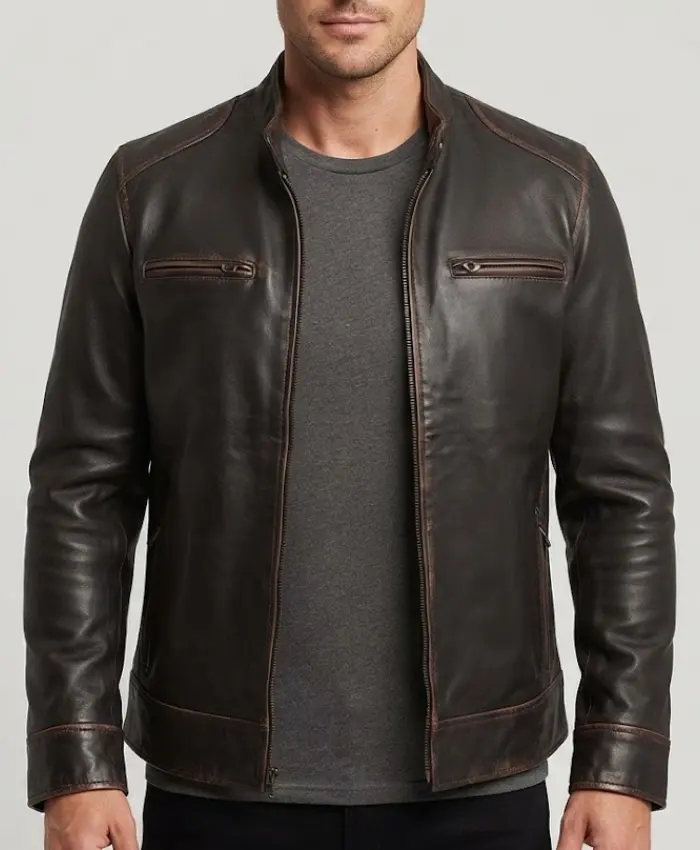
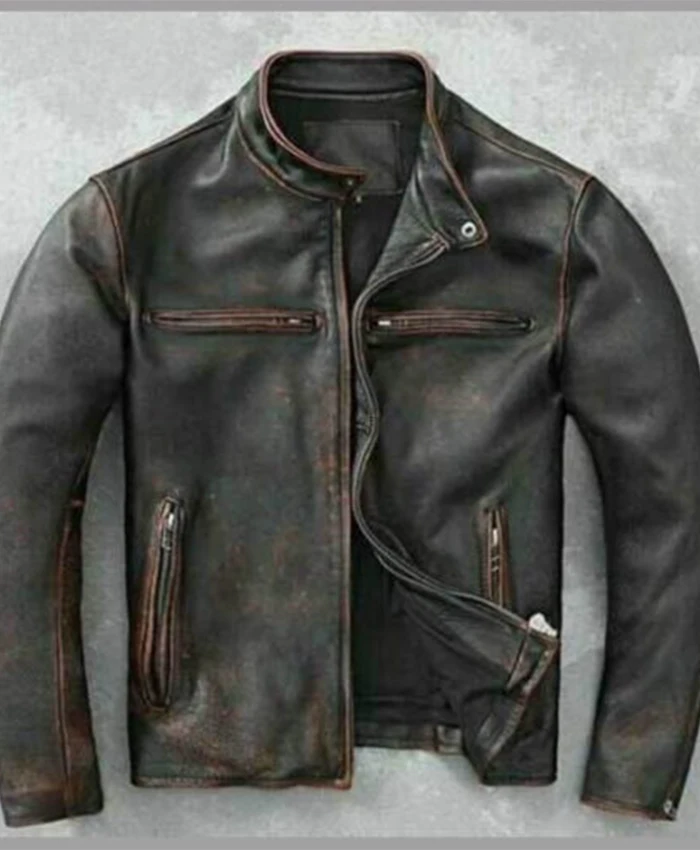
The process of leather burnishing plays an important role in improving the overall quality and appearance of leather jackets. The jackets that come with rough or unfinished edges can look less attractive and a bit worn out. Burnishing helps create smooth and polished edges that give the jacket a clean and professional finish. Moreover, it also adds strength to the leather, sealing loose fibers and reducing damage caused by daily use. Beyond that, many high-end leathers use burnishing techniques to achieve a refined look.
How Burnished Edges Improve Durability
As we know, by applying heat and friction on leather in this process, you can achieve a glossy leather finish. The process of burnishing helps a leather jacket to last longer. When the edges are properly sealed, they become less likely to crack, peel, or fray. Moreover, the smooth edges also reduce the chances of moisture and dirt getting into the water that can weaken the material over time. The end result is that burnishing helps you to maintain the shape and quality of the jacket.
The Role of Burnishing in Premium Leather Jackets
The process of leather burnishing is often seen as a sign of quality craftsmanship in top-grade leather jackets. Many well-known brands use this finishing process to give jackets a smooth, stylish, and luxurious appearance. Moreover, well-burnished edges show attention to detail and make the jacket look more polished and professionally made. If you are interested in a premium leather jacket, you can explore our full grain leather jackets and come across more such styles.
The 3 Types of Leather Burnishing
Leather burnishing can be done using different methods depending on the type of finish you need. Every technique helps smooth and seal the leather edges, but the tools and materials used may vary. The most common types of leather burnishing include water burnishing, wax burnishing, and gum tragacanth burnishing. These mentioned methods are widely accepted and used in leather crafting, as they improve the appearance, strength, and feel of leather edges. Selecting the right method often depends on leather type and the level of shine that is needed.
Water Burnishing Method
Now let’s look into how to burnish leather edges without tools. Water burnishing is among the oldest and simplest leather burnishing techniques. In this method, a small amount of water is applied to the leather edges before rubbing them with a wooden burnisher or cloth. Moreover, the friction creates heat, which helps compress and smooth the leather fibers together. This method works best on vegetable-tanned leather and is popular because it is easy, affordable, and gives leather a natural finish.
Wax and Gum Tragacanth Burnishing
Let us now look into How to burnish leather with beeswax. Wax and gum tragacanth burnishing are commonly used for achieving smooth and shinier leather edges. Moreover, beeswax is applied to the edges to seal and protect the leather while adding a glossy finish. Some people might also call it leather fiber polishing. Gum tragacanth, on the other hand, is a natural burnishing compound that helps bind loose fibers together for a cleaner look. Both methods provide extra durability and are often used in professional leather crafting for high-quality results.
The leather burnishing also requires a few important tools and materials to make the edges smooth and polished. These tools help shape the leather, remove the roughness, and give the edges a clean and professional finish. However, some leather workers use simple hand tools, while others prefer electric burnishing machines for fast results. Moreover, along with tools, special compounds are also used to seal the leather fibers and improve durability.
Essential Hand Tools for Leather Burnishing
There are certain hand tools that are used during the leather burnishing process. First of all, a wooden burnisher helps smooth leather edges by creating friction, while edge bevelers round sharp corners for a cleaner finish. On the other hand, sandpaper removes rough spots and evens out the edges before polishing. Moreover, many leather crafters also use canvas cloth or denim to add extra smoothness and shine. Likewise, other than burnishing, you can also explore how to get patina on a leather jacket to make your jacket more presentable.
Common Burnishing Compounds and Finishes
There are certain hand tools that are used for leather burnishing. A wooden burnisher smooths the edges through friction, while edge bevelers round sharp corners for a cleaner look. Additionally, sandpaper helps remove rough spots, and canvas cloth or denim adds extra smoothness and shine.
Best Leather Burnishing Techniques: Step by Step
If you are wondering about the Best way to burnish? Then you should know that leather burnishing is a simple process, but using the right technique matters if you want smooth and polished edges at the end. Proper burnishing does not just improve how leather products look. It also helps protect the edges from damage over time. By following a few basic steps, you can get clean and professional-looking results on leather jackets, wallets, belts, and other leather goods without too much trouble.
Preparing Leather Edges Before Burnishing
Before you start burnishing, the leather edges need to be trimmed and cleaned up properly first. Sandpaper is usually used to remove rough spots and make the edges even all the way across. Many leatherworkers also use an edge beveler to round off sharp corners, and that gives you a smoother finish overall. After that step, you apply a small amount of water, wax, or burnishing compound to get the leather ready for polishing.
How to Achieve Smooth and Glossy Leather Edges
To create smooth and glossy edges, you rub the leather using a wooden burnisher, a canvas cloth, or a burnishing machine if you have one. The friction creates heat, and that heat helps seal and flatten the leather fibers down. For extra shine and durability, you can add materials like beeswax or Tokonole during the process as well. Repeating the burnishing steps a few times usually gives you the best results, so do not rush through it. Take your time and let the edges build up that shine slowly. That is how the pros do it.
Which Leather Types Can Be Burnished?
Not all leather types respond the same way when you try to burnish them. Some leathers become smooth and glossy very easily, but others stay rough because of their soft texture or the finish on top. The success of burnishing usually depends on how tightly the leather fibers are packed together inside. Picking the right leather type matters a lot if you want clean and polished edges at the end.
No matter what jacket you get burnished, the first thing you need is the best and most premium jacket. This is where you can take help from Leather Jacket Buying Guide. It will guide you about purchasing the best jacket.
Best Leather for Edge Burnishing
Vegetable tanned leather is the best option for edge burnishing, and most people agree on that. Its firm fibers compress easily when you apply friction, so the edges turn out smooth and shiny. Full-grain leather also works well because it is strong and durable from the start. These leather types show up often in high-quality leather products that need polished edges to look their best.
Leather Types That Are Difficult to Burnish
Chrome tanned leather is one of the hardest types to burnish, and that is because it is softer and has looser fibers throughout. Suede and nubuck leather are also difficult to smooth out due to their textured surfaces that do not compress well. In many cases, people use edge paint instead of burnishing for these leather types because paint gives a cleaner result without all the extra work.
Leather Burnishing vs Edge Paint: Which Is Better?
Leather burnishing and edge paint are two common methods used to finish leather edges. Burnishing smooths and seals the leather using friction, and edge paint covers the edges with a colored coating instead. Both methods improve how leather products look, but the best choice depends on the leather type and the style you want. Burnishing gives you a natural and classic finish, and edge paint gives you a smooth and modern look. People pick one or the other based on what they need.
Advantages of Leather Burnishing
Leather burnishing is popular because it creates natural-looking edges without adding thick coatings on top. It improves durability by sealing loose fibers, and that helps leather edges last longer over time. Burnished edges also feel smoother, and they give leather products a more handcrafted and premium appearance. This method works best on vegetable-tanned and full-grain leather. Those types take to burnishing better than others.
When to Choose Edge Paint Instead of Burnishing
Edge paint is a better choice for soft or chrome-tanned leather that does not burnish easily at all. It is also used when you need a perfectly smooth and colored edge that looks clean and uniform. Many fashion brands prefer edge paint because it gives leather products a modern and polished finish. It can also hide rough edges more effectively on certain leather types that would not look good with burnishing alone.
LJB Method of Burnishing & Edge Finishing
The LJB method of burnishing focuses on creating clean, durable, and professional leather edges through careful preparation and polishing steps. In this method, the leather edges are first trimmed, sanded, and beveled before you apply a burnishing compound like beeswax or gum tragacanth. The edges are then polished using friction until they become smooth and glossy to the touch. This technique is often used to get high quality edge finishing on premium leather products that need to look their best.
FAQ’s




 TRACK YOUR ORDER


