A real, honest comparison — durability, weather, care, price, and style — so you can spend your money right.
Don’t Buy Either One Until You Read This: Genuine leather lasts longer and handles rough weather. Suede is softer, lighter, and looks more refined, but needs more care. The right choice depends on where you live, how you dress, and what you want from a jacket.
People ask this question all the time: suede or leather? And most articles give you the same boring answer. “Leather is durable. Suede is soft. It depends on your style.” That’s not really helpful, is it?
So this guide goes deeper on the suede jacket vs leather jacket debate. We cover the stuff other blogs skip, like how each material ages over time, which one fits your climate better, and whether the price difference is actually worth it. By the end, you’ll know exactly which one to pick.
What Is the Real Difference Between Suede and Genuine Leather Jackets?
They Come from the Same Animal – Just Different Parts
Most people get the difference between suede and leather jacket wrong and it starts with where each material actually comes from. Suede is not a completely different material from leather. Both come from the same animal hide, usually cowhide, lambskin, or goatskin. The difference is in which part of the hide gets used.
Genuine leather uses the outer surface of the hide, the tough, tightly packed grain side. Suede uses the inner surface, which gets buffed into that soft, fuzzy nap you can feel when you touch it. Same animal. Totally different result.
How the Texture and Look Are Different?
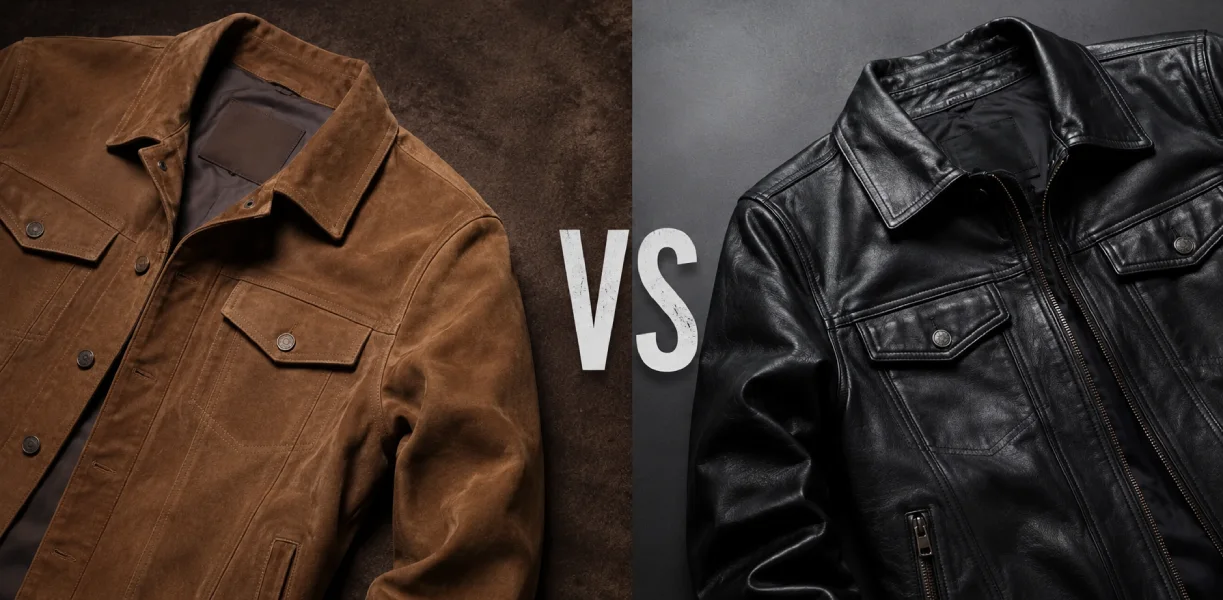
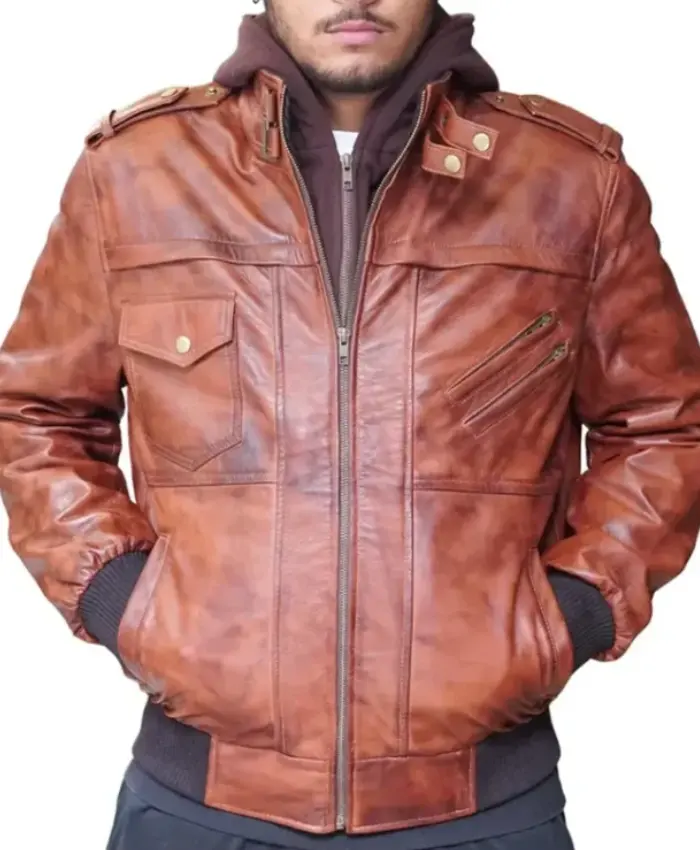
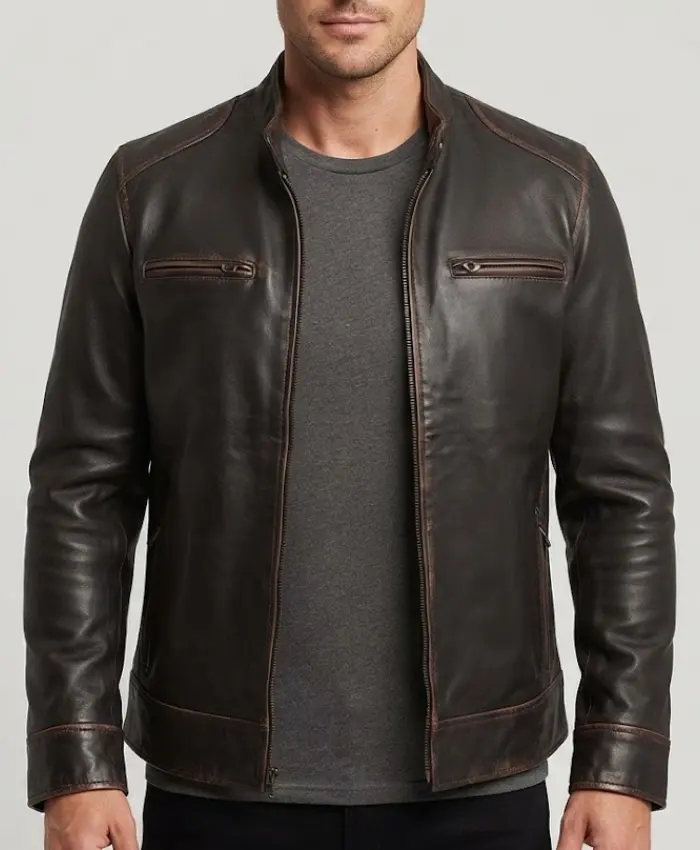
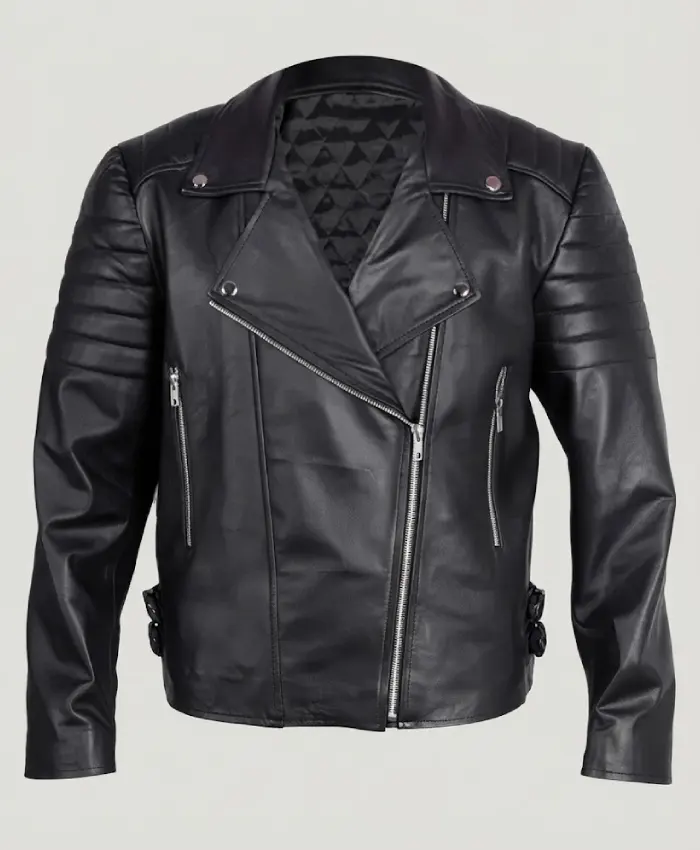
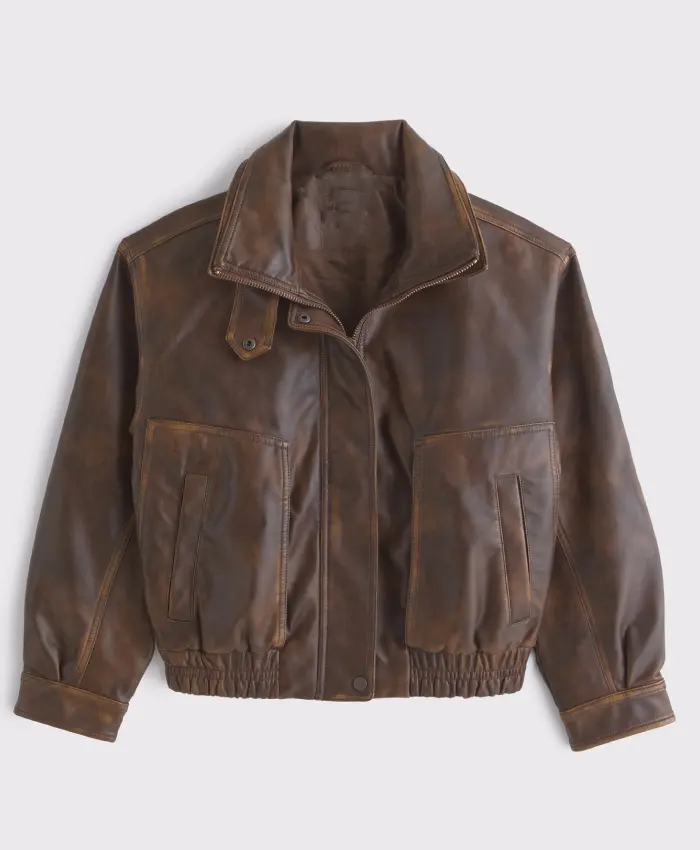
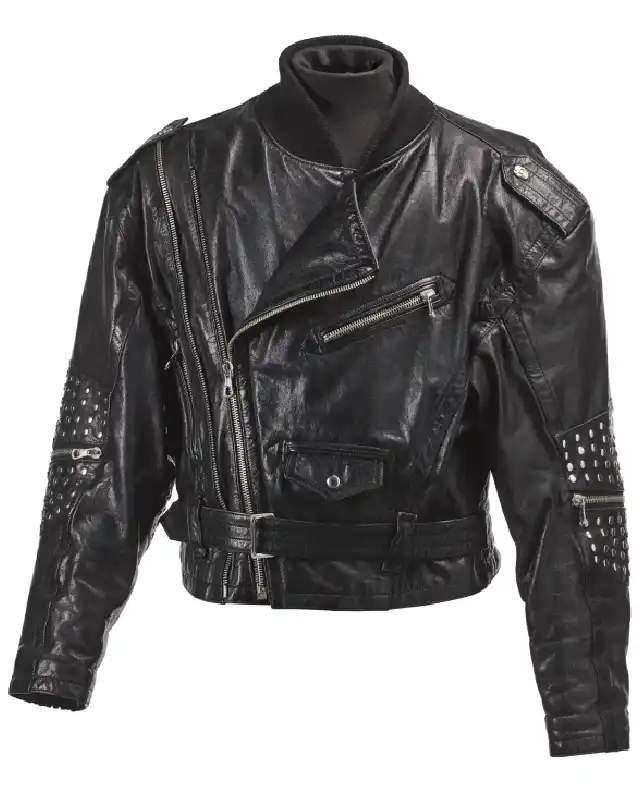
Genuine leather has a smooth, sometimes shiny surface. It looks bold, structured, and strong. Touch it, and it feels firm and dense. Browse our genuine leather jackets, and you’ll see exactly what we mean; that rich, polished finish is what makes leather feel like a proper investment.
Suede is the opposite. It’s soft, matte, and has a velvety texture. Our suede leather jackets feel lighter on your body and give off a more relaxed, refined look, less biker, more fashion-forward.
What About PU Suede and Fake Leather?
Worth mentioning quickly, PU suede and PU leather are synthetic copies. They cost less upfront but wear out fast and don’t develop the same character as the real thing. If you’re comparing genuine leather vs suede, make sure you’re looking at real materials on both sides. The comparison in this guide only applies to genuine versions of each.
Good to Know:
Suede is technically still leather; it just uses the inner hide. The confusion comes from marketing. Always check the product label for “genuine suede” or “genuine leather” before buying.
Suede vs Genuine Leather Jacket Durability — Which One Lasts Longer?
Genuine Leather Wins on Longevity
When it comes to suede vs leather jacket durability, genuine leather wins and it’s not even close. No question here. A well-made, genuine leather jacket can last 15 to 20 years, sometimes longer. The grain side of the hide is the toughest part of the skin. It resists scratches, holds its shape, and gets better looking over time. That process is called developing a patina, and it’s one of the best things about owning genuine leather.
Suede doesn’t age the same way. The inner hide fibres are more exposed and less dense. That means scratches show more easily, the nap flattens with heavy use, and the surface can look worn after a few years without proper care.
How Each Material Ages – The Patina Factor
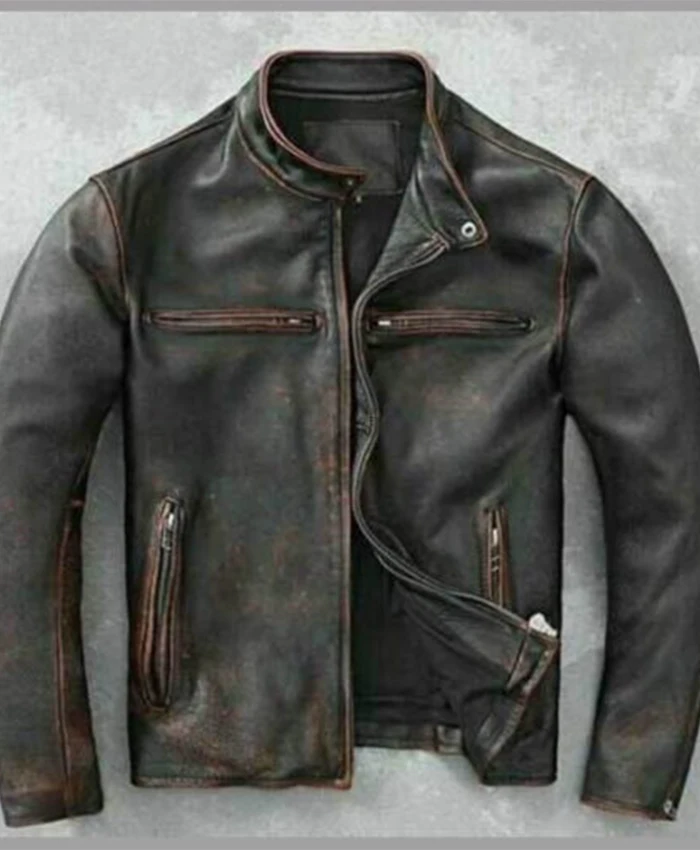
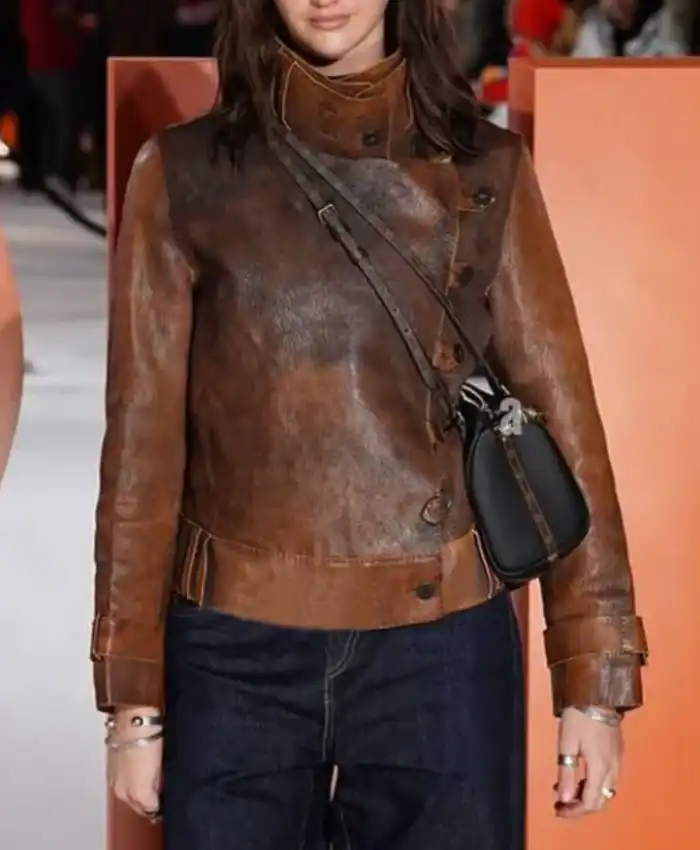
This is the gap that most competitor blogs completely miss. Genuine leather doesn’t just survive years of wear; it actually improves. Small creases, color deepening, and natural markings build a unique character that no new jacket can replicate. It becomes yours in a way no other material does.
Suede ages differently. The nap softens further with wear, and the color can fade in patches if not maintained. That’s not always a bad thing; some people love a worn-in suede look. But it’s not the same as leather’s rich patina.
Break-In Period – Which Is Comfortable Faster?
Suede wins here, honestly. Suede jackets are soft right out of the box. There’s no stiff break-in period. You put it on, and it feels comfortable immediately.
Genuine leather takes a few weeks of wear to soften and mould to your body. Some people find the first week a bit stiff. But once it breaks in, it fits like it was made for you, because in a way, it has been.
Worth Knowing:
Affordable genuine leather doesn’t develop a patina; it just cracks and peels. The aging benefit only applies to full-grain or top-grain leather. Always check the leather grade before buying. Our expert guide to leather jackets explains exactly what to look for.
Suede Jacket vs Leather Jacket for Weather — Which One Handles Rain and Cold Better?
This is one of the biggest practical differences between the two. Genuine leather has a naturally tight grain structure that sheds light rain fairly well. Add a leather conditioner, and it becomes reasonably water-resistant. You can get caught in a light shower, and your jacket will be fine once it dries.
Honestly, suede jacket weather resistance is the weakest point of the material and it’s the biggest reason some people regret buying suede. The exposed inner fibres absorb moisture quickly. A rain shower can leave watermarks, cause the nap to mat down, and, in bad cases, cause the color to bleed or stain. If you live somewhere that gets regular rain, this is a serious thing to think about before buying suede.
Cold Weather: Which One Keeps You Warmer?
Genuine leather is denser and thicker, so it naturally insulates better in cold weather. A leather jacket with a proper lining is a genuinely warm outer layer for autumn and winter.
Suede is lighter and more breathable. It works well in mild weather, think early autumn or spring evenings. But in a harsh winter, it won’t keep you as warm as a genuine leather jacket will.
What Climate Should You Be In to Buy Suede?
Suede really shines in dry, mild climates. If you live somewhere with low humidity, light winters, and not much rain, suede is a brilliant choice. It looks great, feels comfortable, and works well as a transitional jacket between seasons.
If your city gets heavy rain, cold winters, or high humidity, go for genuine leather. It’s simply more practical.
Suede Jacket vs Genuine Leather Jacket — Pros and Cons of Each
Before you decide, here are the full suede jacket pros and cons, no sugarcoating.
Genuine Leather: Full Breakdown
Pros:
Lasts 15–20+ years with proper care.
Develops a beautiful patina over time.
Handles rain and cold weather well.
Classic look that never goes out of style.
Higher resale value compared to suede.
Cons:
Heavier on the body.
Stiff break-in period of 2–4 weeks.
More expensive upfront.
Less breathable in warm weather.
Suede: Full Breakdown
Pros:
Soft and comfortable from day one.
Lighter weight, easier to wear daily.
More refined, fashion-forward look.
Often slightly less expensive than genuine leather.
Great for mild and dry climates.
Cons:
Absorbs water, bad in rain and snow.
Stains and marks show easily.
Needs regular suede-specific care products.
Doesn’t age as gracefully as genuine leather.
Price vs Value: Which One Costs More Over Time?
This is another gap no competitor covers properly. Suede jackets often cost slightly less upfront. But because they need replacing sooner and require specific suede care products, the total cost over 10 years can actually be higher than a genuine leather jacket that just keeps going.
Think of it this way, a £300 genuine leather jacket that lasts 20 years costs you £15 per year. A £200 suede jacket you replace after 6 years costs you £33 per year. Genuine leather wins on cost-per-wear, even though it’s pricier upfront. Worth thinking about before you decide. It’s just an example, not the real cost.
And if you want to see how Leather Jacket Black compares to other premium brands on price and quality, check out our Leather Jacket Black vs Schott NYC comparison.
How to Care for a Suede Jacket vs a Genuine Leather Jacket at Home?
Caring for a Genuine Leather Jacket
Genuine leather jacket care is actually simpler than most people expect, you just need three things and 10 minutes every few months. Genuine leather is actually easier to maintain than suede, which surprises a lot of people. The basics: wipe with a damp soft cloth when dirty, let it air dry naturally away from heat, and condition it with a leather conditioner every 3–6 months. That’s really most of what it needs.
For deeper cleaning, read our full guide on leather jacket cleaning at home, it covers stain removal, odor treatment, and lining care step by step.
Knowing how to care for a suede jacket properly is what separates a jacket that lasts 5 years from one that falls apart in two. Suede needs more attention and the right tools. You’ll need a suede brush to restore the nap after wear, a suede eraser for dry marks, and a suede protector spray to give it some level of water resistance before you wear it anywhere near rain.
Never use a damp cloth on suede the way you would on leather. Moisture is the enemy. If suede gets wet, let it dry naturally away from heat and gently brush the nap back into place once dry.
Storage Tips for Both
Both jackets should be stored on wide padded hangers. Both need a breathable garment bag, not plastic, which traps moisture. Keep them away from direct sunlight and damp spaces like basements.
For suede specifically, stuff the arms lightly with tissue paper to help the jacket hold its shape during long-term storage.
Quick Tip:
If your jacket has surface detailing, understanding deboss vs emboss leather helps you clean around those areas without flattening the design. Learn more about emboss vs deboss on leather, so you know exactly what finish your jacket has before cleaning it.
Suede or Genuine Leather Jacket — Which One Should You Buy?
So which is better suede or leather jacket? Honestly, it depends on one thing: how and where you plan to wear it.
Buy Genuine Leather If…
Go for a genuine leather jacket if you want something that lasts, handles all weather, and gets better with age. It’s the better choice if you live somewhere cold or rainy, if you want one jacket that does everything, or if you’re buying something you plan to wear for the next decade. It’s a stronger investment and a more practical daily driver.
Buy Suede If…
Go for suede if you live somewhere dry and mild, if you want a lighter and softer jacket for smart-casual outfits, and if you’re happy to give it a little extra care. Suede looks outstanding in the right setting; it’s polished, understated, and genuinely stylish. It just needs a bit more looking after.
Who Should Buy Which — A Simple Decision Guide
Your Situation Best Choice
You want one jacket for all seasons
Genuine Leather
You live in a rainy or cold climate
Genuine Leather
You want the jacket to last 20 years
Genuine Leather
You want something soft from day one
Suede
You live in a dry, mild climate
Suede
You dress smart-casual more than casual
Suede
You want the best cost-per-wear value
Genuine Leather
You want a relaxed, fashion-forward look
Suede
If you can only buy one jacket, buy genuine leather. It lasts longer, handles more weather, costs less over time, and genuinely improves with age. It’s the smarter long-term investment.
But if you already own a leather jacket and want something different for smart-casual occasions, suede is a great second jacket. Lighter, softer, and seriously stylish in the right setting.
Both are worth owning. Just at different points in your jacket collection.
Not at all, in fact, suede can look more expensive in the right setting. Genuine leather gives a bold, rugged look. Suede gives a quieter, more refined look. A well-made suede jacket in a smart-casual outfit can look more premium than a reasonable leather jacket ever will. It comes down to quality and how you wear it, not the material itself.
Suede works in mild winters, but it is not built for harsh cold or heavy rain. If your winters are dry and not extreme, suede with a thick inner layer underneath works fine. But if your city gets snow, sleet, or constant rain, genuine leather is the smarter winter choice. Suede in wet winter weather is a recipe for watermarks and a ruined jacket.
Suede feels warmer against the skin because of its soft napped surface. It traps a small amount of air, which creates a cozy feeling. But genuine leather blocks wind and cold from getting through far better. So suede feels warm to the touch, but leather actually keeps you warmer in real cold weather. Think of suede as comfortable and cozy, think of leather as genuinely protective against the elements.
You can improve suede’s water resistance with a suede protector spray, but you cannot make it equal to genuine leather. The spray creates a light barrier that helps with drizzle and splashes. It does not protect against heavy rain, prolonged moisture, or snow. You need to reapply the spray every 3 to 4 weeks with regular wear. Genuine leather with a good conditioner will always outperform treated suede in wet weather. There is no spray that changes that.
About Author:
Caleb Norton is an experienced leather industry writer with over five years of expertise in product care, durability, and modern style guidance.




 TRACK YOUR ORDER


